
Piping Hot Tips: Two Easy Ways to Make Your Own Piping!
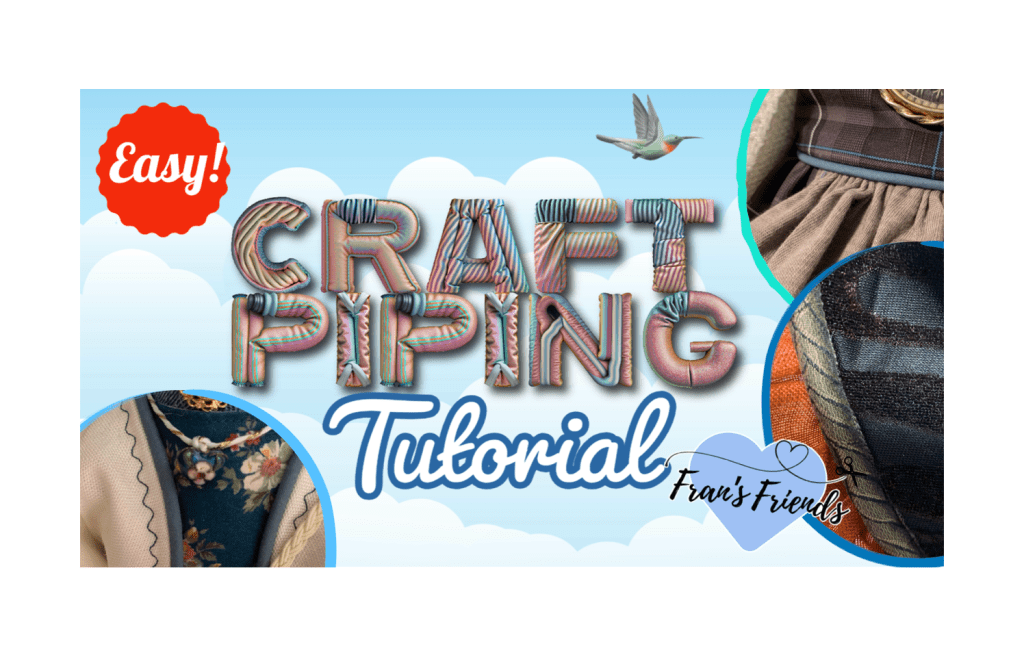
Creating professional-looking crafts often comes down to the details. And one detail that can truly elevate your projects is piping! But store-bought piping can be expensive and limiting in colour choices. Fear not, fellow crafters! This post will show you two super simple methods to create custom piping at home, saving you money and giving you complete control over your designs. Let’s get piping!
Stringing Along: Piping with String
This method is perfect for when you need a thinner, more delicate piping. All you need is some string and fabric!
- Fabric Prep: Cut a strip of fabric on the bias (at a 45-degree angle) for best results. The width of the strip will determine the thickness of your piping. A good starting point is around 1.5 inches.
- String Time: Choose a string that complements your fabric. Think about the thickness and texture you desire. A smooth, thin string works well for delicate projects.
- Sewing Magic: Fold the fabric strip in half lengthwise, wrong sides together. Insert the string into the fold, ensuring it’s snug against the folded edge. Now, using your sewing machine, stitch close to the string, encasing it within the fabric. A zipper foot can be helpful for getting close to the string. Be careful not to stitch through the string itself!
- Finishing Touches: Trim any excess fabric close to the stitching, being careful not to cut through the stitches. And voila! You have custom string piping!
Cording Confidence: Piping with Cording
For a sturdier, more substantial piping, cording is your go-to. This method is ideal for cushions, upholstery, and projects that need a bit more structure.
- Fabric Prep: Just like with the string method, cut a strip of fabric on the bias. Again, the width depends on your desired piping thickness.
- Cording Choice: Select a cording that suits your project. Upholstery cording is a popular choice for its durability and thickness.
- Sewing Steps: Fold the fabric strip in half lengthwise, wrong sides together. Insert the cording into the fold, ensuring it’s snug. Using a cording foot on your sewing machine (if you have one), stitch close to the cording, encasing it in the fabric. The cording foot helps to create a channel for the cording and keeps the stitching close.
- Trim and Ta-Da!: Trim any excess fabric close to the stitching. You now have beautiful, custom cording piping!
Fran’s Fabulous Tip: T-Shirt Transformation!
Want to get even more creative and resourceful? Fran has a fantastic tip: repurpose old t-shirt collars! The already-finished edge of a t-shirt collar is perfect for creating piping. Simply cut off the collar, insert your cording or string, and gently pull it through, effectively turning the collar into ready-made piping! This is a brilliant way to recycle old clothes and create unique piping with minimal effort.
So, there you have it! Two easy methods for creating custom piping, plus a bonus tip from Fran. Now you can add that professional touch to all your crafting projects without breaking the bank. Happy crafting!



 Fran's Friends: A Resourceful Crafting Community
Leave a comment